
Professional Teeth Whitening for the Stains Other Treatments Can’t Reach
You’ve tried the whitening strips, the drugstore trays, and maybe even a one-hour session under a bright light. Your smile is a little better, but it still looks yellow, gray, or streaky. That usually isn’t a willpower problem. It’s a stain-depth problem, and it’s exactly what KöR teeth whitening was designed to solve.
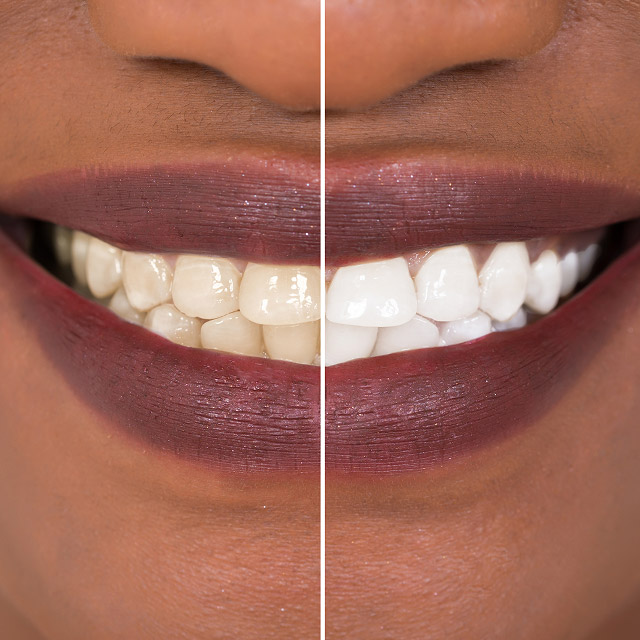
KöR Deep Bleaching is a professional whitening system that combines custom-fitted trays, refrigerated peroxide gels, and a final in-office session. It’s built to reach the deep discoloration that surface treatments leave behind, including tetracycline stains, fluorosis, and years of coffee and red wine. At the practice of Dr. Bianca Clark, a cosmetic dentist in Chicago, we offer the KöR whitening system to patients from across the city and nearby neighborhoods, including River North, Lincoln Park, Lakeview, West Town, and Little Italy.
If you’re searching for a dentist near you who offers KöR whitening, this page walks you through how it works, who it’s best for, what it costs, and what to expect at every step. When you’re ready to talk through your options, call (312) 212-3304 to schedule a consultation.
KöR Whitening at a Glance
- Best For: Deep or stubborn discoloration, including tetracycline staining, fluorosis, age-related darkening, and long-term coffee, tea, wine, or tobacco stains.
- How It Works: Custom trays with refrigerated hydrogen peroxide–based gel at home, followed by a supervised in-office session.
- Timeline: Typically about three to ten weeks from start to finish when in-office treatment is combined with at-home whitening trays.
- Comfort: A built-in desensitizing approach, though sensitivity can still occur.
- Maintenance: A simple monthly touch-up with your custom trays.
- Where: Dr. Clark’s office at 955 West Monroe St. in Chicago.
What Is KöR Teeth Whitening?
KöR Whitening, also written as KoR, is a professional teeth whitening system developed by Dr. Rod Kurthy and introduced in 2007. Unlike over-the-counter products, it’s only available through a dental office, and unlike a single-visit whitening session, it works in stages.
The system is known for three design choices.
- First, the whitening gels are kept refrigerated from the moment they’re manufactured until they reach the dental office, because peroxide breaks down when it gets warm.
- Second, the custom trays are made to seal tightly around each tooth so saliva doesn’t dilute the gel.
- Third, the process includes desensitizing steps to help keep teeth comfortable.
Together, these choices let the gel stay active on your teeth for hours instead of minutes, which is a big part of why KöR can lighten stains that other systems can’t.
KöR whitening doesn’t use lights, lasers, or heat. If you’ve seen those advertised at other whitening clinics, ask Dr. Clark during your consultation how KöR compares for your specific stain type.

Why Choose Dr. Bianca Clark for KöR Whitening in Chicago?
Choosing a whitening system is one decision. Choosing the dentist who guides you through it is another. Dr. Clark is a cosmetic and biomimetic dentist with a Doctor of Dental Surgery degree and a strong background in biology, and that science-first approach shapes everything she does.
Patients choose our Chicago cosmetic practice because of:
- Personalized treatment planning. Your whitening plan is built around your stain type, sensitivity, and goals, not a one-size-fits-all protocol.
- Attention to the whole smile. As a cosmetic dentist, Dr. Clark looks at how whitening fits with your crowns, veneers, fillings, and overall smile design.
- Advanced technology. Digital tools help us plan and communicate your treatment clearly.
- Honest guidance. If another option suits you better, we’ll say so.
Learn more about Dr. Clark and our approach to cosmetic dentistry.
What Causes Deep Tooth Discoloration?
Not all stains are the same, and the type of stain you have is the biggest factor in choosing the right whitening treatment. Every tooth has a hard outer layer of enamel and a softer, darker layer beneath it called dentin. Where the stain lives determines how hard it is to remove.
- Surface (extrinsic) stains sit on or in the outer enamel. Coffee, tea, red wine, dark sodas, and tobacco are the usual culprits. Most whitening methods can handle these.
- Deep (intrinsic) stains are built into the tooth’s inner structure. They’re the reason some people whiten quickly while others barely see a change.
- Tetracycline staining happens when the antibiotic tetracycline or a related medication is taken while teeth are still forming. It becomes part of the dentin and often appears as gray, brown, or banded discoloration.
- Fluorosis is discoloration caused by excess fluoride exposure during childhood, while enamel is developing. It can show up as white flecks, streaks, or brown mottling.
- Aging thins the enamel over time, letting the yellower dentin show through. This is why teeth often look darker at 50 than at 25.
- Genetics play a role too. Some people are simply born with naturally darker teeth.
Many people have a mix of these, which is why a proper exam matters before starting any professional whitening.
How KöR Deep Bleaching Works
At its core, KöR uses hydrogen peroxide–based gels. When peroxide breaks down, it releases oxygen that breaks apart the large, colored stain molecules trapped in the tooth. Those molecules become smaller and less visible, which is why teeth look lighter.
What makes KöR different is how well that process is controlled:
- Refrigerated Gel: KöR’s manufacturer stores its gels at roughly 34–38°F from production through delivery. Heat weakens whitening gel, so keeping it cold helps preserve consistent strength.
- Sealed Custom Trays: Because the trays fit snugly, the gel stays in place overnight instead of washing away, giving it hours of active contact time.
- Desensitizing Protocol: KöR uses desensitizing agents before and during treatment, aimed at reducing the sensitivity that often comes with strong bleaching gels.
- A Two-Part Approach: Nights of at-home conditioning prepare the tooth to respond, and a supervised in-office session delivers the final push.
That’s the difference between whitening the surface and whitening the tooth.
KöR vs. Zoom vs. Take-Home Kits: Which Whitening Is Right for You?
Chicago has no shortage of whitening options, so here’s an honest side-by-side comparison. The right choice depends on your stain type, your schedule, and how your teeth respond to whitening.
- KöR Deep Bleaching is best suited for deep, stubborn, or previously unresponsive stains. The process takes several visits, including a consultation, an in-office session, and a follow-up, with results appearing over a course of weeks. Because it is designed for tough cases, it features a built-in desensitizing protocol for comfort and relies on monthly custom-tray touch-ups for long-term maintenance.
- Light-activated in-office whitening (such as Zoom) is best suited for patients looking for fast results for surface stains or an upcoming event. The treatment typically takes about an hour in a single visit, though results can be limited on deeper discoloration. While periodic touch-ups are required for maintenance, some patients may experience more short-term tooth sensitivity following the procedure.
- Dentist take-home trays are best suited for mild to moderate staining and budget-conscious patients. This option typically requires one or two office visits, with results appearing over days to two weeks. While deep stain results may vary and sensitivity depends on gel strength, long-term maintenance relies on periodic touch-ups.
- Over-the-counter strips are best suited for light surface stains and require no office visits, with results appearing over days to weeks. While deep stain results are limited and sensitivity varies, long-term maintenance relies on ongoing purchases.
If you have a wedding in three weeks and mostly surface stains, a single-session in-office treatment may fit your timeline best. If you’ve been disappointed by whitening before, have gray or banded teeth, or want the most thorough result a dentist can offer, KöR is worth a serious look. Dr. Clark will help you match the treatment to your teeth, and she’ll tell you if another option is a better fit.
The KöR Teeth Whitening Process at Our Chicago Dental Office
Dr. Clark examines your teeth and gums, reviews your dental history, and asks about your whitening goals. She’ll look at the type and severity of your staining and check for anything that should be treated first, such as cavities or gum concerns. This is also when you’ll ask questions and get a clear picture of your timeline and cost.
We take precise impressions of your teeth to create custom-fitted whitening trays. A tight, comfortable fit keeps the gel where it belongs, protects your gums, and keeps saliva from diluting the treatment.
You’ll wear your trays with KöR gel at home, typically overnight, for a period Dr. Clark customizes to your stain type. Tougher stains such as tetracycline may need more time. This phase conditions your teeth, so they respond as strongly as possible to the final in-office step.
You’ll return to our Chicago dental office for a supervised session using a higher-strength KöR gel. This step is where much of the dramatic change happens, and Dr. Clark monitors your comfort and progress throughout.
To keep your results, you’ll use your custom trays with maintenance gel about once a month. It’s a small routine that helps protect the investment you’ve made in your smile.
Are You a Good Candidate for KöR Teeth Whitening?
Dr. Clark commonly recommends KöR for Chicago-area patients who have:
- Tetracycline Stains: Gray, brown, or banded discoloration from antibiotics taken during childhood
- Fluorosis: Mottled or streaky discoloration from fluoride exposure during tooth development (some cases do best with whitening plus another cosmetic treatment such as bonding or veneers)
- Age-Related Darkening: Teeth that have yellowed as enamel thins and dentin shows through
- Lifestyle Discoloration: Stubborn coffee, tea, red wine, or tobacco staining that hasn’t responded to other whitening
- Previous Whitening Disappointment: You’ve tried professional or over-the-counter whitening with limited results
Who Should Wait or Consider Another Option
KöR isn’t right for everyone, and Dr. Clark will tell you honestly if it isn’t right for you. Treatment may need to be delayed or adjusted if you have untreated cavities, active gum disease, exposed tooth roots, cracked teeth, or leaking fillings. Whitening is also generally postponed during pregnancy and breastfeeding.
Sensitivity, Safety, and What to Expect
Tooth sensitivity is the most common concern with any peroxide-based whitening, and it’s a fair one. KöR was designed with sensitivity in mind, and many patients find it comfortable, but no whitening system works the same way for everyone.
Here’s what to know:
- Temporary sensitivity to cold or air can occur during or after whitening. For most people, it fades within days.
- Gum irritation is less likely with well-fitted custom trays because they keep gel off the gums.
- Dr. Clark can pause, adjust, or add desensitizing steps if your teeth need it.
- When performed under a dentist’s supervision, professional whitening is a well-established procedure, and supervision is the key. It’s very different from using strong products with no exam or guidance.
- There’s no recovery period after your in-office session. You can go back to work or lunch right away, though we’ll ask you to avoid staining foods and drinks for the first 48 hours.
Whitening and Your Existing Dental Work
This is the question most patients don’t think to ask, and it can make or break your final result. KöR only lightens natural tooth structure. Existing fillings, crowns, veneers, bonding, and dental implant crowns won’t change color, no matter what whitening system you use.
That means your natural teeth may end up brighter than your restorations. The best approach is to whiten first, let your shade settle, and then decide whether any restorations should be replaced to match. That way, new work is matched to your final shade rather than your old one.
If you’re considering a bigger smile makeover, KöR pairs well with other cosmetic dentistry. You can explore porcelain veneers, dental crowns, or a full smile rejuvenation plan with Dr. Clark. We also use digital smile design to preview how your final smile will look.
KöR Teeth Whitening Cost in Chicago
The cost of KöR teeth whitening depends on the complexity of your case: how deep and stubborn the staining is, whether you need the stronger protocol used for tetracycline stains, and how many visits your plan requires. Across the Chicago area, professional KöR programs are commonly priced somewhere between roughly $800 and $1,500.
A few things worth knowing:
- Insurance: Cosmetic whitening is typically not covered by dental insurance, though your insurance may still apply to your exam and any restorative dental care you need first. We’ll verify what applies at your appointment.
- Financing: We offer flexible payment plans through Cherry so you can spread the cost over time.
- Value: Because KöR is designed to be long-lasting with monthly maintenance, many patients see it as a better investment than repeating lower-cost treatments that fade.
You’ll receive a clear, itemized estimate at your consultation, with no surprises.
Aftercare: Keeping Your Results in a City Built on Coffee
Chicago runs on coffee, deep-dish, and red wine. Your smile can keep up with a few simple habits:
- Avoid dark, staining foods and drinks (coffee, tea, red wine, soy sauce, and berries) for the first 48 hours.
- Use a straw for iced coffee and cold brew, and rinse with water afterward.
- Brush gently with a soft-bristled brush and fluoride toothpaste. If your teeth feel sensitive, ask us about a desensitizing toothpaste.
- Keep up with your monthly tray touch-ups and your regular dental care visits.
- Skip tobacco if you can. It’s one of the fastest ways to stain whitened teeth.
Even the best professional whitening can’t stop new stains from forming, but consistent maintenance makes them easy to manage.
Serving Chicago and Nearby Neighborhoods
Our office is in Chicago’s West Loop, and we welcome patients from across the city and surrounding communities, including Fulton Market, Greektown, Little Italy, University Village, River North, the Loop, Lincoln Park, Lakeview, West Town, Oak Park, Evanston, and the greater Chicagoland area. KöR whitening involves just a few in-office visits, so many patients from outside the West Loop find it easy to fit into their schedule.
If you’re looking for a dentist in the West Loop or a dentist in Chicago who offers KöR Deep Bleaching, or a cosmetic dentist near you who can evaluate whether it’s the right whitening system for your smile, we’d be glad to help. Contact our office at (312) 212-3304 to book your appointment.